Learn about Patriot, Loyalist, and neutral perspectives on the American Revolution by examining the stories of those living in the American colonies at the time. Students examine definitions of Patriots and Loyalists during the Revolutionary era from both primary and secondary sources. Then they view video clips highlighting the stories of three different people from that time to explore how differing experiences, beliefs, and practices contributed to Loyalist, Patriot, and neutral viewpoints, and to understand how these differing opinions about American independence created divisions between British colonists in the American colonies.
On-Demand
Native Lands and the American Revolution on the Frontier
Tsi’yu-gunsini, or Dragging Canoe in English, is a Cherokee chief who leads raids against illegal settlements by American colonists on Native lands. Their British allies urge them to be patient, but Dragging Canoe doesn’t hesitate. In response, thousands of colonial militiamen pour into Native territories and wage a war of total annihilation. This program is made possible by viewers like you. Explore with your students differing perspectives on the conflict over Cherokee land and understand more about the complexity and consequences of decisions that individuals such as Tsi’yu-gunsini (Dragging Canoe) made during the American Revolution with this free, curriculum-aligned resource: https://bit.ly/48ztA9e
Find more video clips and discussion about Native American involvement and perspective on the American Revolution in the PBS LearningMedia American Revolution Collection
America at 250 Education Resources
July 4, 2026 the nation will commemorate the 250th anniversary of the signing of the Declaration of Independence, the founding of the United States and the 250th anniversary of the American Revolution. We will also look at ways that America continues to work on fulfilling the promise of the the Declaration, the Constitution and the Bill of Rights. The page includes:
NYS Education Resources
Tapestry of New York
New York at 250 Resources for Educators from the NYS Library
Educator Webinar: Beyond America 250: Teaching THE AMERICAN REVOLUTION This School Year
The American Revolution Classroom Collection on PBS LearningMedia with Educator Guide
Consider the Source
New York at 250 Resources for Educators from the NYS Museum
History of the United States and New York
Educator 250th Anniversary of the American Revolution NYS Resource Guide from the NYS Education Department
The American Revolution: A Local Lens Collection
New York at 250: A Resource Guide for Public Libraries and Partners
National Civics & History Resources
U.S. History Collection
Civics Collection
NPR’s Student Podcast Challenge with American at 250 Category
Benjamin Franklin Classroom Collection on PBS LearningMedia with Educator Resources
Voices of the American Revolution
Latino Patriots in the American Revolution
Video Playlist of Clips from The American Revolution
Women of the American Revolution
Would You Have Joined The American Revolution?
Declarations: Black Americans and the Revolutionary War • On-demand
Native Lands and the American Revolution on the Frontier
Patriot, Loyalist, Neutral: Differing Perspectives on the American Revolution?
Resources for Kids & Families
America’s Awesome Kids • WXXI-TV and YouTube
PBS KIDS Across America
Daniel Tiger is Coming to Rochester!
Together We Can: Civics Music Videos for Kids
Student Interactive Lessons
Interactive Lesson: Meaning of Democracy During the Founding Era
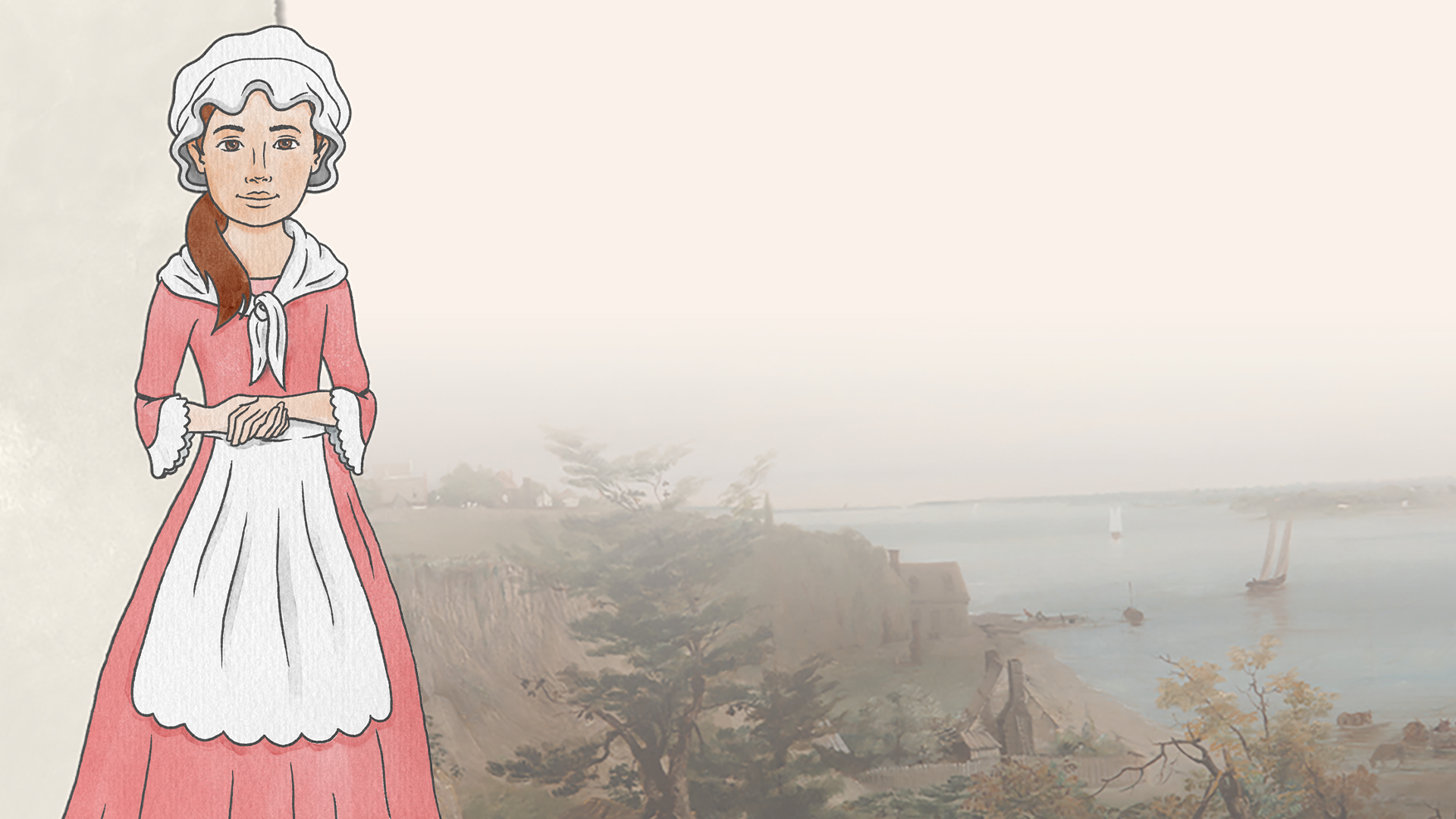
Interactive Lesson: The Experiences of a Young Girl During the American Revolution: Betsy Ambler
Interactive Lesson: Native Americans and the American Revolution
Interactive Lesson: Women and the American Revolution
Interactive Lesson: Searching for Equality: Debating the Founding Principles
Interactive Lesson: Black Abolitionists: The Declaration’s Influence
Interactive Lesson: Seneca Falls: The Declaration’s Influence
Educators’ Self-Paced Professional Development: Watch On-Demand
On-Demand America 250: Engaging Students with History, Media & Civic Voice Educator Webinar Archive
Educator Webinar: Teach the Declaration’s Global Impact Using Media and Artifacts On-Demand
Educator Webinar On-Demand: Revolutionary Voices: Student Media-Making and THE AMERICAN REVOLUTION
Connecting Students to Our Shared History: The American Revolution PBS LearningMedia Educator Webinar On-Demand
The American Revolution Campus Conversation Webinar On-Demand
Educator Webinar On-Demand: Visualize History with Student-Created Documentaries
PBS Books: Filmmakers Talk of The American Revolution Series On-Demand
Webinar: How to involve NY State K-12 students in the NY250: Tapestry of New York Project
On-Demand Programs
Lucy Worsley Investigates: The American Revolution • On-Demand
Lessons for Ken Burns’ The American Revolution Series • On-Demand
The American Revolution Series • On-Demand
Lafayette: A Hero’s Return • On-Demand
Hallowed Ground: New York’s Lost Revolutionary War Battlefields • On-Demand
Henry Knox: Resolve Forged by Revolution • On-Demand
Antiques Roadshow “250 Years of Americana” • On-Demand
America 250 Series • WXXI News
Past Events & Programs
The American Revolution Special Screening and Panel Discussion • The Little Theatre
The American Revolution: An Inside Look • WXXI-WORLD
Educator Webinar: Visualize History with Student-Created Documentaries
Educator Webinar: 250th Anniversary of the American Revolution NYS Resource Guide Webinar
Independent Lens “The Librarians” • On-Demand
“The Librarians” examines how library collection standards are shaping communities and the struggle of librarians when caught in the political battle around book bans.
Independent Lens “The Librarians” is available on-demand and on the WXXI & PBS apps through 5/9/2026.
The award-winning documentary, “The Librarians,” offers a gripping, human look at the escalating wave of book bans unfolding across the United States. The film follows a courageous network of besieged librarians as they unite to examine how book restriction policies are shaping library collections.
From Oscar-nominated Director/Producer Kim A. Snyder (“Death By Numbers,” “Newtown,” “Us Kids”) and Executive Producer Sarah Jessica Parker through her Pretty Matches Productions banner, “The Librarians”takes viewers from Texas to Florida and beyond, where local libraries have become unexpected battlegrounds in a national struggle over parental control, intellectual freedom, and democracy itself. Sparked by the controversial “Krause List” in Texas, which targets 850 books centered on race and LGBTQIA+ stories, the film takes a deep investigative dive into the escalating movement against book banning. The film captures the courage and resilience of the everyday heroes, librarians, as well as concerned parents and students flanking them, who have become first responders in the fight for the freedom to read, standing defiantly against censorship at all costs.
Would You Have Joined The American Revolution?
It may seem obvious, but only 40-45% of colonists supported the cause. It’s not as simple as it may appear! Hear about the variety of possible perspectives of enslaved African Americans, Native Americans, women, white landowners and white laborers without property and how they might have looked upon the fight for independence from the British. From PBS Digital Studios: The Origin of Everything
Women of the American Revolution
Discover the contributions and experiences of women in the fight for American independence from Britain.
6 Founding Women of the American Revolution

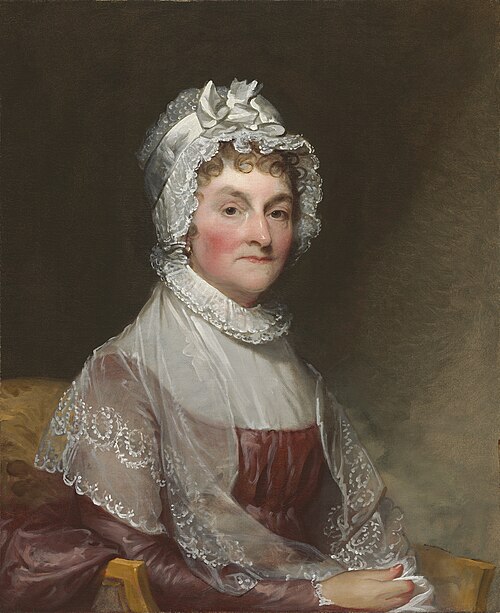
1. Abigail Adams: The Shadow Diplomat
Abigail Adams wasn’t just the wife of John Adams. While her husband was off in Philadelphia or Europe, Abigail Adams was running a mini-empire. She managed the family farm, navigated complex wartime economics, and raised children, all while serving as John Adams’ most trusted political adviser. When she told him to “Remember the Ladies,” she wasn’t making a polite request — she was warning him that a government without the consent of the governed (including women) was inherently unstable.
Resources:
- Abigail Adams Reader | Xavier Riddle and the Secret Museum – For Grades K-2
- Analyzing Letters Between John and Abigail Adams – For Grades 3-5
- Women’s Contributions to the American Revolution – For Grades 6-12

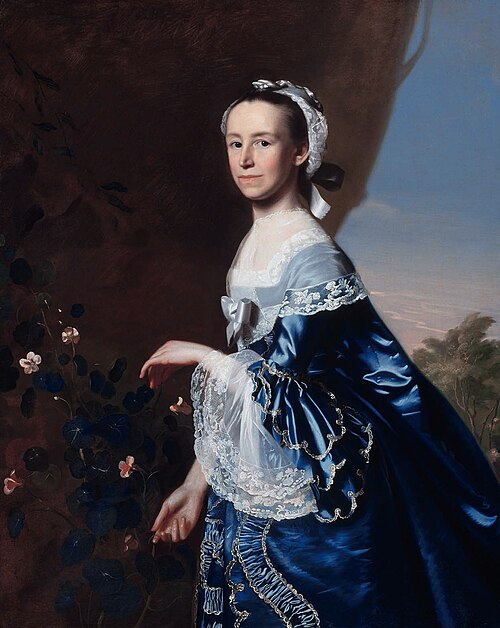
2. Mercy Otis Warren: The Pen as a Sword
I view Mercy Otis Warren as the “propagandist in chief.” In an era where a woman’s political opinion was seen as a social defect, she wrote scathing satirical plays that turned public opinion against the British. Because her gender would have caused men to stop reading, she often published under a pseudonym. She later wrote a massive, three-volume history of the American Revolution, only to have male historians dismiss it for decades.
Resources:
- Mercy Otis Warren | The Shot Heard ’Round the World – For Grades 9-12
- Women and the American Revolution | Interactive Lesson – For Grades 9-12

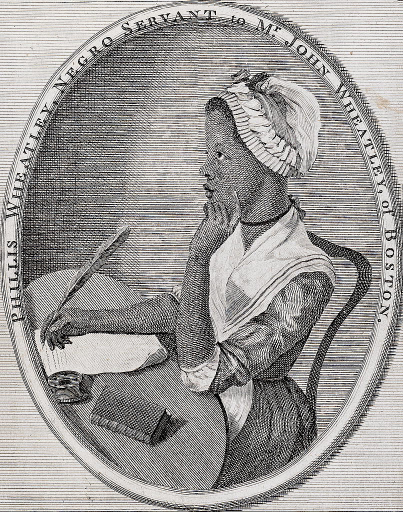
3. Phillis Wheatley: The Intellectual Revolutionary
Phillis Wheatley’s story is a master class in resilience. As an enslaved Black woman, she had to defend her own intelligence before a panel of distinguished men who didn’t believe she could possibly write such sophisticated poetry. She broke through the triple-barrier of race, gender, and status, using her work to point out the glaring hypocrisy of colonists crying for liberty while keeping people in chains.
Resource: The Poetry and Legacy of Phillis Wheatley – For Grades 9-12

4. Betsy Ambler: The History Keeper
Betsy Ambler stands as a testament to the countless women whose courage, compassion, and quiet leadership were just as essential to the American story as any battle won. Only 10 years old when the war started, Ambler documented her experiences through letters shared with her family and friends after the war that tell the tale of her coming of age during a pivotal moment in history. She went on to cofound the Female Humane Association of Richmond, one of the first women-led charitable organizations in Virginia.
Resource: The Experiences of a Young Girl During the American Revolution: Betsy Ambler – For Grades 3-8

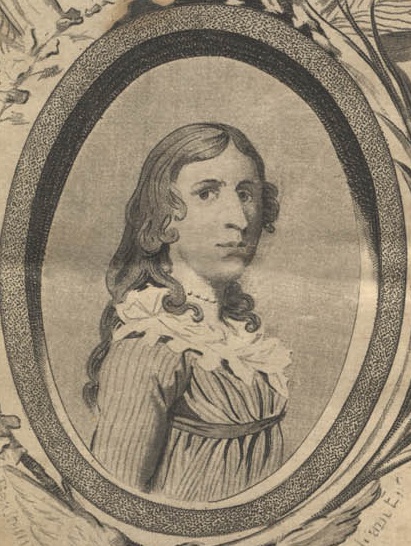
5. Deborah Sampson: The Ultimate Disrupter
Deborah Sampson didn’t wait for permission to serve. She disguised herself as Robert Shurtliff and fought in the Continental Army for over a year. At one point, she was wounded and actually removed a musket ball from her own leg with a penknife to avoid a doctor discovering her secret. She eventually won a military pension, proving that a woman’s place was wherever the fight for freedom happened to be.
Resource: Women and the American Revolution | Interactive Lesson – For Grades 9-12
Watch a clip on PBS.org: Treasures of New Jersey Presents: Grit & Grace – Revolutionary Heroines

6. Sybil Ludington: The Teenage Hero
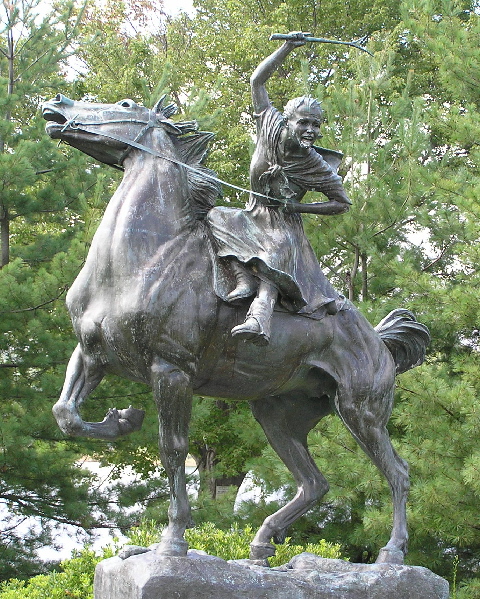
Everyone knows Paul Revere, but Sybil Ludington rode 40 miles, twice as far as Revere, through the rain and dark to alert the militia when she was just 16 years old. While Revere got a famous poem and a place in every textbook, Ludington’s ride was largely ignored for nearly 200 years.
Watch a clip on PBS.org: The Midnight Ride of Sybil Ludington
- The American Revolution Classroom Collection (3-12)
- Women’s Contributions to the American Revolution (6-12)
- The Experiences of a Young Girl During the American Revolution: Betsy Ambler (3-8)
- The Poetry and Legacy of Phillis Wheatley (9-12)
- Analyzing Letters Between John and Abigail Adams (3-5)
- Women and the American Revolution | Interactive Lesson (9-12)
- Mercy Otis Warren | The Shot Heard ‘Round the World (9-12)
from Women of the American Revolution and the Timeless Fight for Recognition by Chayanee Brooks
Video Playlist of Clips from The American Revolution
Thirteen American colonies unite in rebellion, win an eight-year war to secure their independence, and establish a new form of government that would inspire democratic movements at home and around the globe. What begins as a political clash between colonists and the British government grows into a bloody struggle that will engage more than two dozen nations and forever change the world. Watch more here at The American Revolution website.
Latino Patriots in the American Revolution
Discover the contributions of Latinos in the fight for American independence from Britain, Latinos were instrumental in winning the American Revolution. John Leguizamo and historians share stories of Bernardo de Gálvez and other Latino patriots whose contributions were vital in winning the fight for American independence.
“If our contributions were written back into history textbooks, can you imagine how America would see us?’ says Leguizamo. “More importantly, can you imagine how we would see ourselves?” Photo: Creator and host John Leguizamo on the set of AMERICAN HISTORIA./ Credit: NGL Studios
Inspired by his quest to uncover Latino and Latina heroes and their contributions, this clip comes from three-part series brings acclaimed Broadway and film actor John Leguizamo’s passion from the stage to the screen. This clip comes from VOCES American Historia: The Untold History of Latinos
American Historia PBS LearningMedia Collection: (6-12): Video clips and classroom resources
The full series is available to watch on Passport if you are a WXXI Member
Episode 1: Echoes of Empires: Join host John Leguizamo as he examines the accomplishments and rise of the Great Empires and civilizations in Mexico, South America and the Caribbean, from the Taino to the Olmec, Inca, Maya, Aztec, and more. Although they were ultimately decimated by the conquistadors, these societies had an enduring influence on culture, agriculture, and the sciences.
Episode 2: Threads in the American Tapestry: Explore how Latino DNA has been woven into the identity of the United States since before her inception, and has been pivotal all along the way. Despite facing severe discrimination and violence, Latinos were present and contributed in pivotal ways to the fabric of this nation. Highlighting key figures and events, host John Leguizamo shows how Latinos helped build the United States we know today.
Episode 3: Solidarity in a New Era: Host John Leguizamo explores the rise of the new empire, the United States. While Latinos were often relegated to the fringes of mainstream society, they made profound contributions to the fabric of the U.S. and beyond. Reflecting on his journey, John learns that Latinos were not just an asterisk in history, but that Latino history is the history of the United States.