
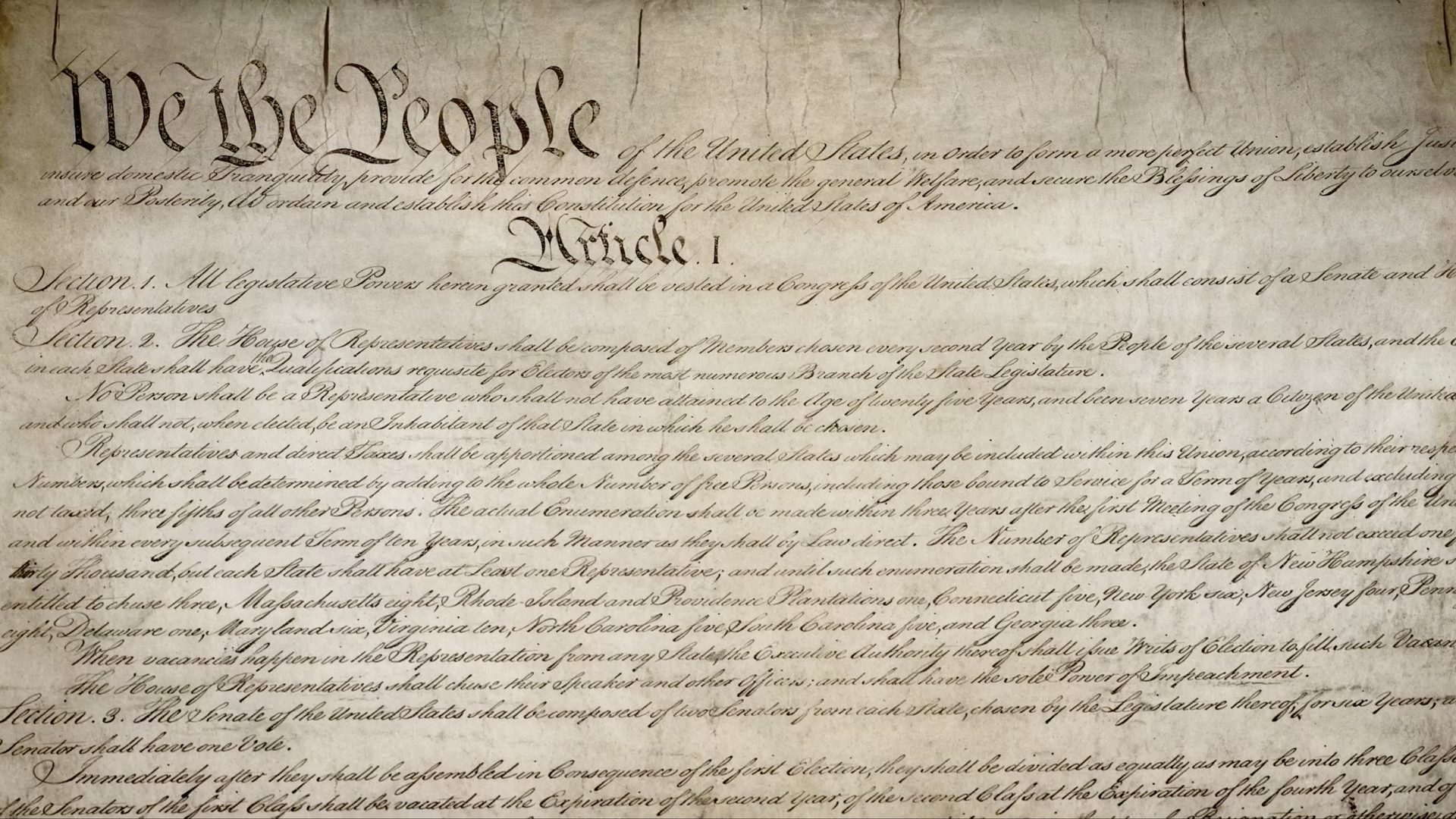
In this interactive lesson, students step into the Founding Era to explore multiple perspectives and hopes for American democracy. Students identify the hopes and ideas for American democracy for different groups and individuals such as the Haudenosaunee, Phillis Wheatley, James Forten, Abigail Adams, Thomas Jefferson, James Madison, George Washington, and Benjamin Rush. They also explore the key principles of American democracy each group or individual championed and examine how each group or individual’s desires revealed the limitations of democracy during this time. (Grades 6-12)
Students synthesize their knowledge by writing a response to the essential question: What did democracy mean to Americans during the Founding Era?
About the Author: About the Author:
Passionate about fostering critical thinking, media literacy, and informed citizenship, Mary Kate Lonergan spent 16 years teaching middle and high school social studies before taking her current role, where she serves as the Social Studies Curriculum Specialist at Fayetteville-Manlius Central Schools. She emphasizes media literacy as a core element of the social studies curriculum. Lonergan is a KQED Media Literacy Innovator, acts as a Teacher Collaborator and consultant with Ithaca College’s Project Look Sharp, and served as a mentor-coach with the Media Education Lab’s MediaEd Institute. As a PBS certified media literacy educator, Lonergan has developed social studies and media literacy-centered lesson plans featured on PBS LearningMedia, including other Ken Burns films.
From PBS LearningMedia